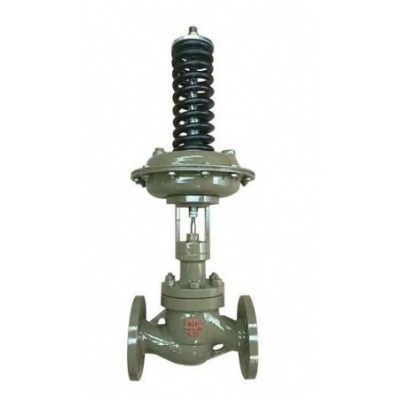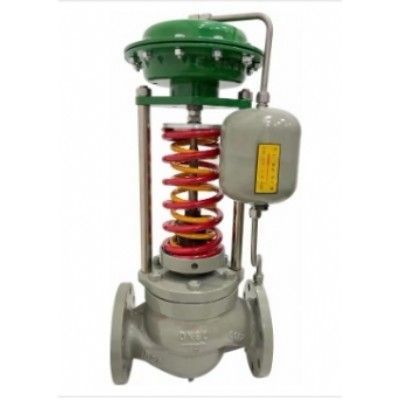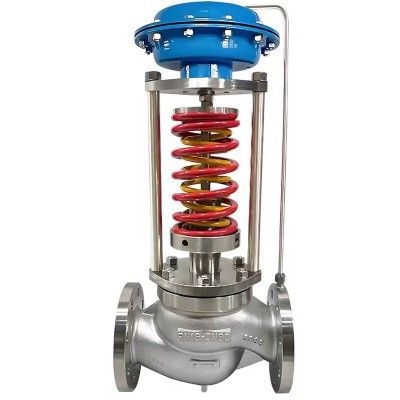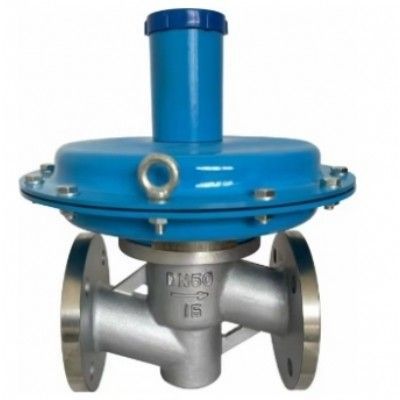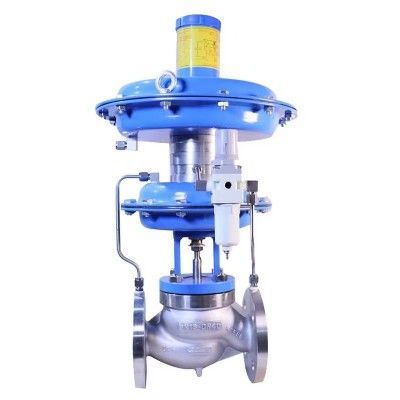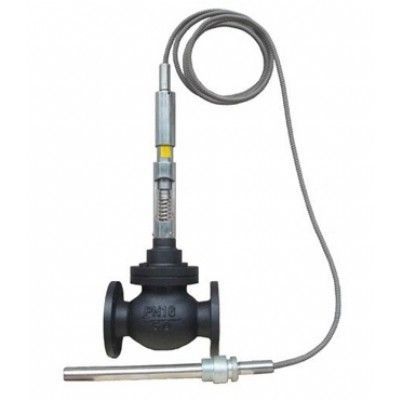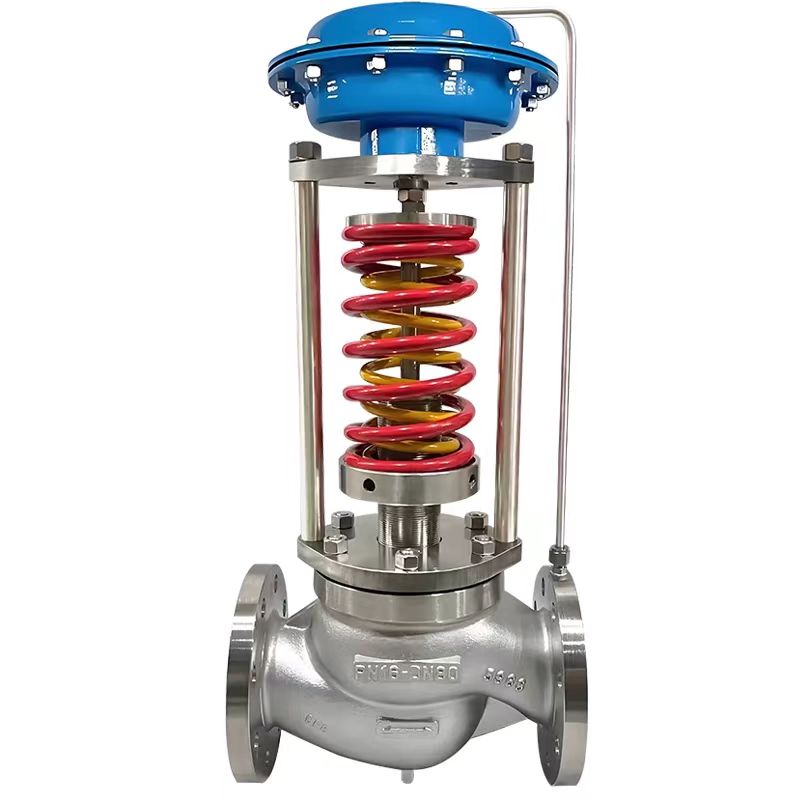
ZZYP Type Self-operated Pressure Regulating Valve
I. Purpose and Features
The ZZYP type self-operated pressure regulating valve doesn't require any external energy source. It realizes automatic pressure regulating operation by utilizing the energy of the regulated medium itself. The biggest feature of this product is that it can work in places without electricity or gas, and at the same time saves energy sources. The pressure setting can be adjusted slightly during operation. It adopts a quick-opening valve disc, with sensitive action and good tightness. Therefore, it is widely applied in industries such as petroleum, chemical engineering, electric power, metallurgy, food, light industry, textile, machinery manufacturing and civil construction, for the automatic control of pressure reduction (for pressure reduction before the valve) and pressure stabilization (for pressure stabilization after the valve) of gas, liquid and steam media in industrial equipment, as well as for pressure stabilization and pressure reduction (for pressure reduction before the valve) in general occasions.
II. Structure and Working Principle
The regulating valve is mainly composed of a main valve, a pilot valve, a diaphragm, a diaphragm chamber and a signal pipe, etc. Its structure (see Figure 1).
Figure 1 - a is used for pressure reduction and stabilization after the valve, and the medium flow direction is straight-through type. Its principle is as follows: The medium flows into the valve body from the arrow direction, passes through the valve core, the valve seat and then flows out. Another path flows through the cooler (used when the medium is steam) for cooling, and then is introduced into the pilot mechanism to act on the diaphragm. This makes the valve core produce corresponding displacement. At this time, the pressure after the valve increases, and the force acting on the diaphragm increases, compressing the spring and driving the valve core. At this time, the valve opening becomes smaller until the pressure after the valve drops to the set value and stops. Similarly, if the pressure after the valve decreases, the force acting on the diaphragm becomes smaller. Due to the reverse action force of the spring, it drives the valve core, making the valve opening larger until the pressure after the valve rises to the set value and stops.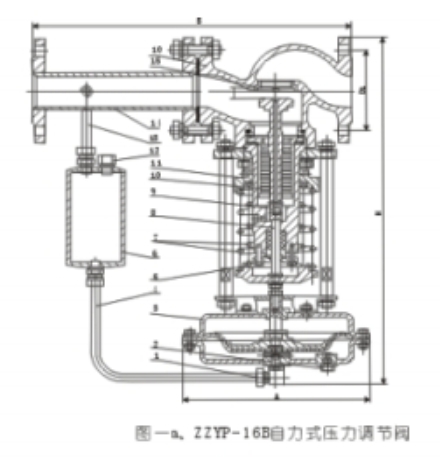
| No. | Part Name |
|---|---|
| 1 | Connecting Pipe |
| 2 | Air Release Valve |
| 3 | Pilot Actuator |
| 4 | Oil Return Pipe |
| 5 | Diaphragm Cover |
| 6 | Cooler |
| 7 | Spring |
| 8 | Valve Stem |
| 9 | Valve Core |
| 10 | Bellows |
| 11 | Pressure Regulating Screw |
| 12 | Inlet Nozzle |
| 13 | Signal Pipe |
| 14 | Outlet Pipe |
| 15 | Valve Disc |
| 16 | Valve Body |
Figure 1 - a ZZYP - 16B Self-operated Pressure Regulating Valve