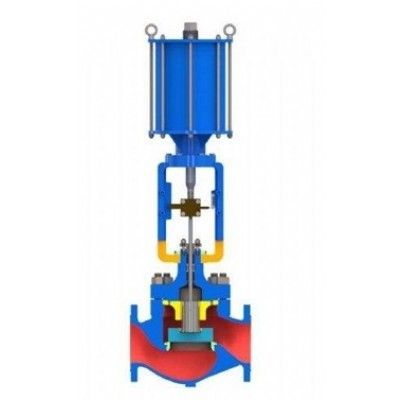
High-pressure Labyrinth Control Valve
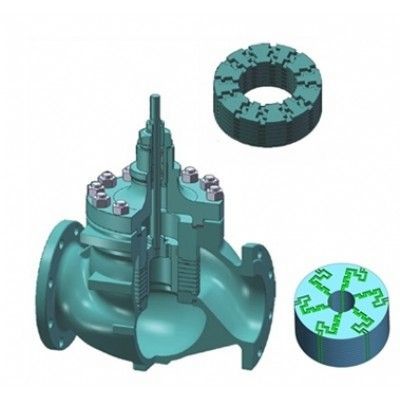
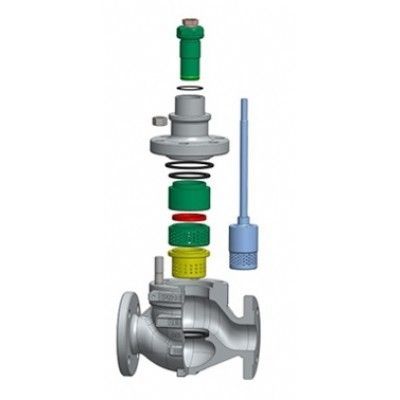
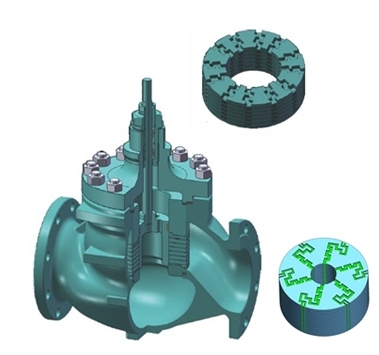
It is a balanced-type control valve, adopting a design that combines a labyrinth cage with a balanced spool. The labyrinth cage is composed of multiple cylindrical valve plates with labyrinth diameters distributed on coaxial surfaces. According to different medium process parameters, labyrinth cages with different labyrinth diameter specifications and stacking layer compositions are designed. The labyrinth cage divides the total flow path into many tiny, circuitous, and even step-distributed throttling flow paths, forcing the fluid to constantly change its flow direction and gradually reduce the fluid pressure as the flow area decreases. This achieves the prevention of cavitation and flashing, and prolongs the service life of the valve trim. By using a balanced cage spool, the tight fit between the spool and the valve seat ensures extremely low leakage. This kind of valve trim is suitable for various working conditions prone to blockage flow and cavitation.
Control Valve Parameter Description
Trim Features
- Valve Trim Characteristics: Sleeve-guided type
- Balanced trim structure
- Labyrinth cage structure
- Balanced seal ring structure (normal temperature)
- Metal seal ring structure (high temperature)
Valve Body Type
- Straight-through type
- Angle type
- Z-type valve body
Bonnet Type
- Standard type
- Heat-dissipating type
- Low-temperature type
Flow Characteristics
- Equal percentage
- Linear
- Quick opening
Size Range
- DN25-400 (1”-16”)
Pressure Rating
- PN15, 25, 42Mpa (ANSI 900, 1500, 2500LB)
Leakage Class
- ASME B16.104 V (standard metal valve seat)
Pipeline Connection
- Flanged type
- Butt-welded type
Applicable Temperature Range
- -30° ~ 260° (balanced seal ring structure)
- -196° ~ 550° (metal seal ring structure)
Actuator Type
- Pneumatic diaphragm actuator
- Pneumatic piston actuator
- Electric actuator