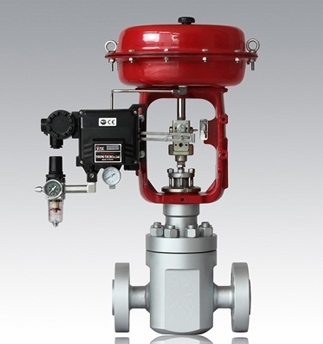
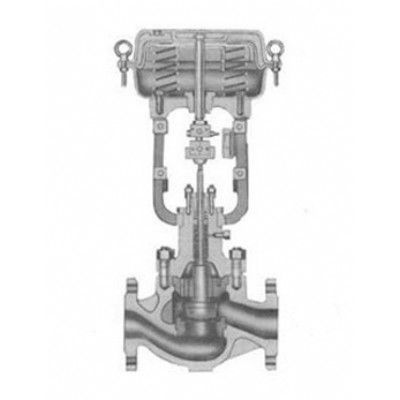
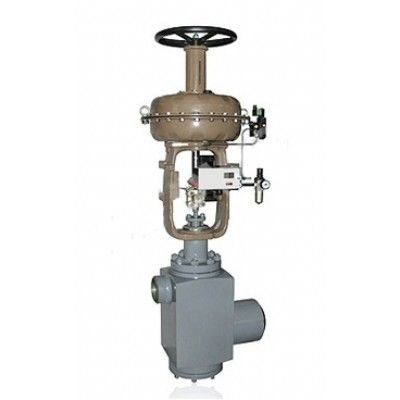
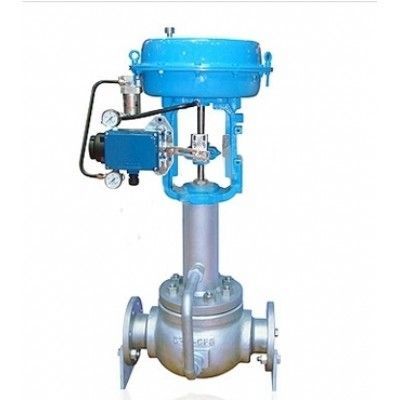
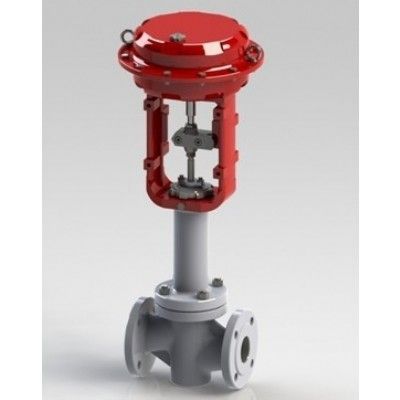
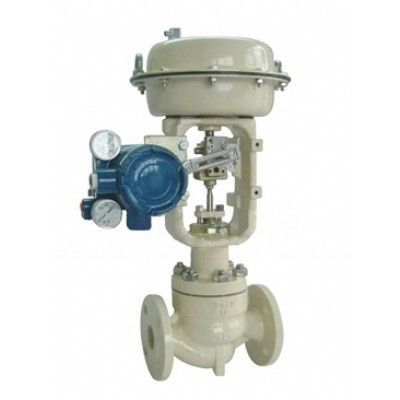
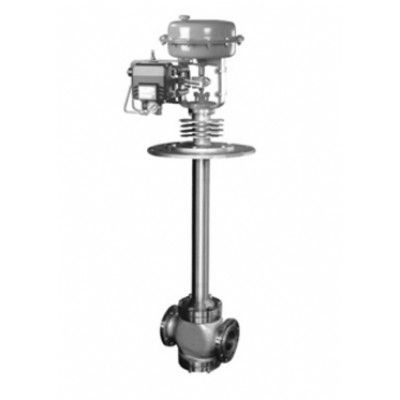
The minimum flow recirculation valve for boiler feedwater is an anti - cavitation multi - stage throttling control valve, also known as a high - pressure difference control valve, suitable for regulation under harsh working conditions. The fluid is depressurized step by step, and the fluid direction is constantly changed to increase flow resistance and prevent cavitation damage of the fluid under high pressure differences. The throttling part is separated from the sealing surface, effectively protecting the sealing surface. The surface of the valve trim is hardened to a hardness of about HRC70, resistant to scouring and with a long service life. This valve is mainly used in the feedwater system of large - scale generator sets. It is an important equipment to prevent cavitation of the boiler feedwater pump and is also one of the key control valves for power generation. The minimum flow recirculation valve can be pneumatically or electrically controlled.
-
Labyrinth sleeve - type trim
-
Multi - stage throttling valve core structure
-
Straight - through type
-
Angle type
-
Equal percentage
-
Linear
-
Quick opening
-
PN25, 32Mpa (ANSI 1500, 2500LB)
-
ASME B16.104 V (Standard metal valve seat)
-
Flanged type
-
Butt - welded type
-
Pneumatic diaphragm actuator
-
Pneumatic piston actuator
-
Electric actuator